
What Is Alcohol Withdrawal?
Alcohol withdrawal happens when a person who has been drinking heavily or regularly suddenly stops or significantly reduces their alcohol intake. With continued alcohol use, the brain adapts to the presence of alcohol. When alcohol is removed, the nervous system can become overactive while the body adjusts.
The severity of withdrawal varies from person to person. It can depend on factors such as drinking history, level of dependence, previous withdrawal episodes, and overall health.
For people with significant alcohol dependence, medical assessment is important before attempting detox.
Common Alcohol Withdrawal Symptoms
Symptoms can begin within hours after the last drink. Common early symptoms include:
- Shaking or tremors
- Anxiety or restlessness
- Sweating
- Headache
- Nausea or vomiting
- Irritability
- Difficulty sleeping
- Increased heart rate
- Difficulty concentrating
These symptoms do not necessarily mean that severe withdrawal will occur, but they should not be ignored in someone with a history of heavy alcohol use.
Alcohol Withdrawal Timeline
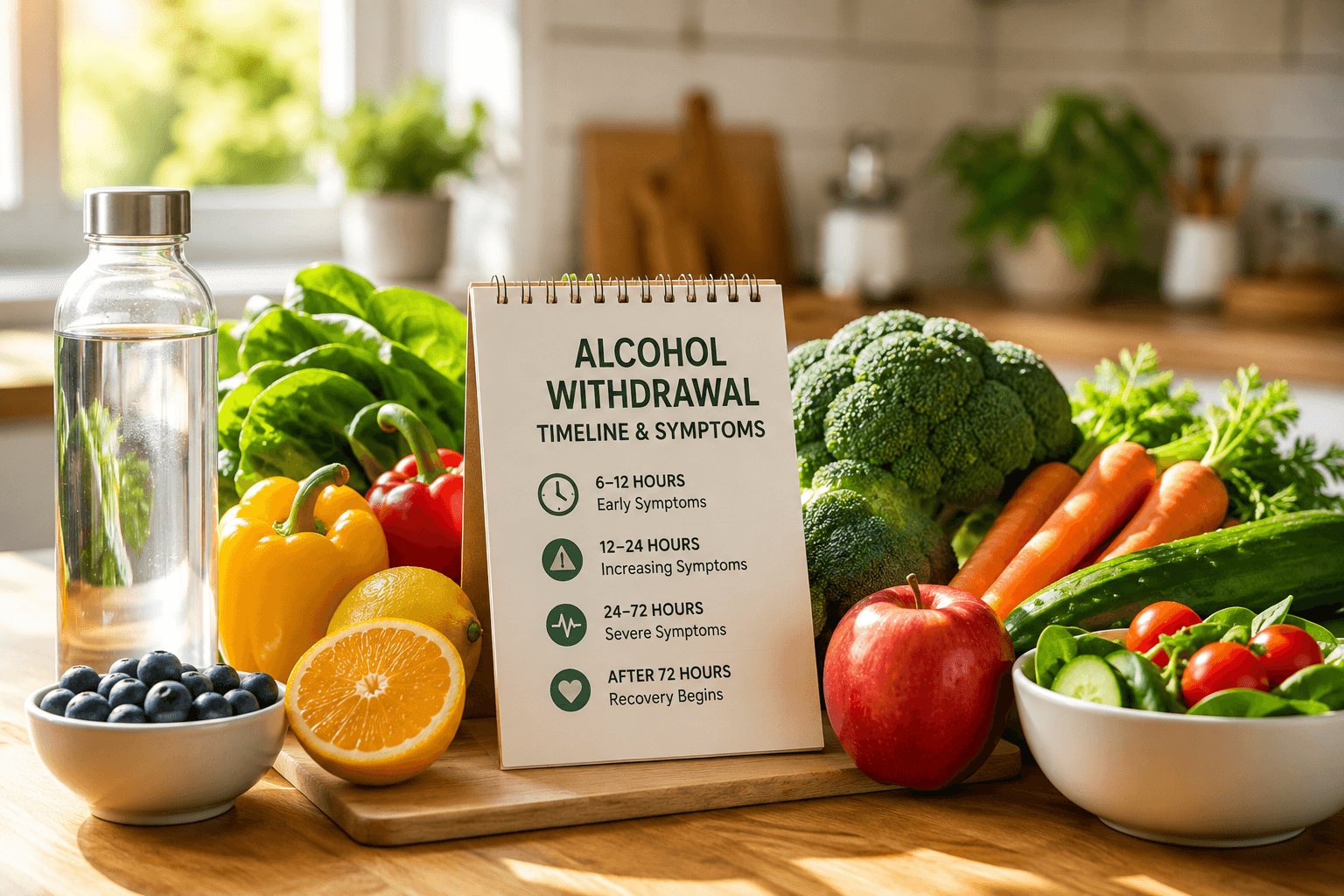
There is no exact timeline that applies to everyone. However, withdrawal generally develops in stages.
6–12 Hours After the Last Drink
Early symptoms may begin during this period. A person may experience anxiety, tremors, sweating, headache, nausea, restlessness, or trouble sleeping.
12–24 Hours
Symptoms may become more noticeable. Anxiety, agitation, tremors, and changes in heart rate may increase. Some people may also experience perceptual disturbances or hallucinations.
24–72 Hours
This can be a particularly important period for monitoring. In severe cases, alcohol withdrawal can lead to seizures or a dangerous condition called delirium tremens.
After 72 Hours
Symptoms may begin to improve, but the experience varies significantly between individuals. Sleep problems, anxiety, mood changes, and alcohol cravings can sometimes continue after the acute withdrawal period.
When Does Alcohol Withdrawal Become Dangerous?
Most people associate withdrawal with shaking, sweating, or anxiety. However, severe alcohol withdrawal can involve much more serious symptoms.
Seek urgent medical attention if someone develops:
- Seizures
- Severe confusion
- Hallucinations
- Extreme agitation
- Loss of consciousness
- Severe changes in heart rate or blood pressure
- Other life-threatening symptoms
Severe alcohol withdrawal is a medical emergency and should not be managed at home.
Can You Detox From Alcohol at Home?
The answer depends on the individual's level of alcohol dependence and medical history. Someone with mild symptoms may not require residential treatment, while someone with significant physical dependence may require close medical monitoring.
Trying to manage severe alcohol withdrawal without professional supervision can be dangerous. A medical assessment can help determine the appropriate level of care and whether supervised detox is necessary.
What Happens During Medical Detox?
Medical detox focuses on safely managing the physical effects of withdrawal. At a supervised detox facility, healthcare professionals can monitor the person's condition and provide appropriate treatment when clinically indicated.
Belaku's medical detox program includes 24/7 nursing and medical monitoring, individualized treatment plans, and medication-assisted treatment when appropriate. The centre provides detoxification for alcohol and other substances, followed by therapeutic treatment once the individual is medically stabilized.
The goal is not simply to make withdrawal easier. It is to create a safe transition into the next stage of recovery.
What Happens After Alcohol Detox?
Detox addresses physical dependence, but it does not address all the reasons a person developed an alcohol problem. After detox, treatment may focus on:
- Individual Therapy: Therapy can help identify triggers, emotional difficulties, unhealthy patterns, and situations associated with drinking.
- Cognitive Behavioral Therapy: CBT can help individuals recognize unhelpful thoughts and develop healthier ways to manage stress, cravings, and difficult situations.
- Family Counseling: Alcohol dependence can affect the entire family. Family counseling can help improve communication, establish healthy boundaries, and rebuild relationships.
- Relapse Prevention: Recovery planning focuses on identifying triggers and developing strategies for managing cravings and high-risk situations.
Belaku's treatment model combines detoxification with psychological and psychiatric care, family counseling, and relapse-prevention support.
How Long Does Alcohol Withdrawal Last?
There is no universal answer. Early symptoms can begin within hours, while the most intense withdrawal symptoms may occur during the first few days. Some symptoms, such as sleep problems, anxiety, mood changes, and cravings, can last longer.
The duration and severity depend on the individual's alcohol use and physical dependence. This is why a personalized medical assessment is more useful than relying on a fixed withdrawal timeline.
What Is the Difference Between Detox and Recovery?
Detox focuses primarily on helping the body safely adjust to the absence of alcohol. Recovery addresses the psychological, behavioral, social, and emotional factors that contribute to addiction.
Completing detox does not automatically prevent relapse. Long-term recovery usually requires continued treatment, coping strategies, support, and a plan for maintaining sobriety.
When to Seek Help
If drinking has become difficult to control, withdrawal symptoms are appearing, or previous attempts to stop have failed, professional assessment can help determine the safest next step.
Belaku Rehabilitation Centre provides medically supervised detoxification and comprehensive addiction treatment in Bangalore, with clinical intake available 24/7.
Medical Disclaimer: This article is for educational purposes and does not replace individual medical advice. If someone is experiencing seizures, severe confusion, loss of consciousness, breathing difficulties, or another medical emergency, seek emergency medical care immediately.