
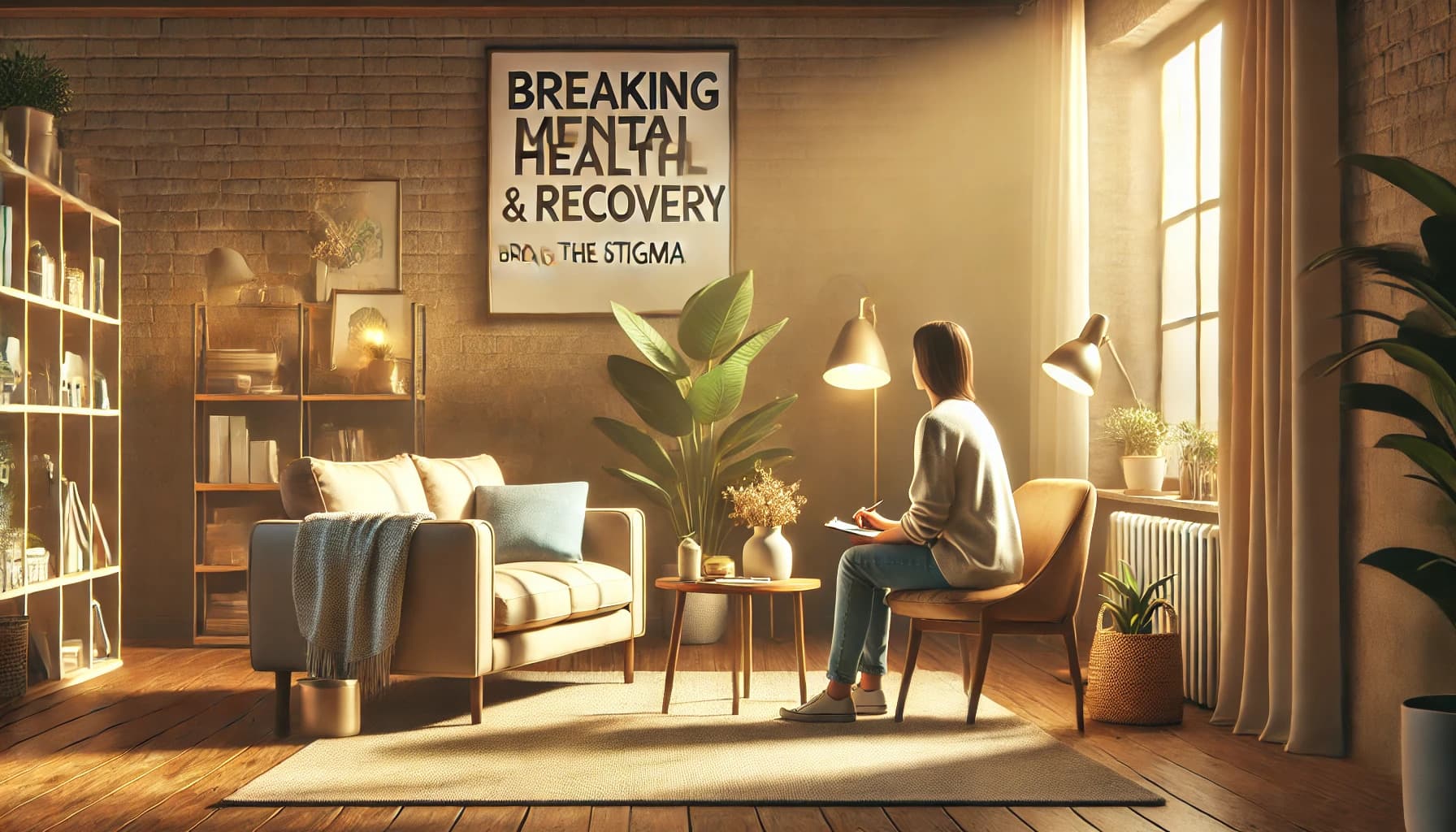
Belaku Rehabilitation Center
Recovery Center

Breaking the Stigma: Mental Health and Addiction Recovery

20 January 2025
Breaking the Stigma: Mental Health and Addiction Recovery

The Link Between Addiction and Mental Health

Addiction and mental health are closely linked. Most people struggling with addiction also face a mental health challenge. In clinical settings, having both is called a "dual diagnosis" or "co-occurring disorder."

Many people use alcohol or drugs to cope with depression, anxiety, or trauma. At the same time, long-term substance use changes brain chemistry, which makes mental health conditions worse.

Common Co-occurring Disorders

  • Depression & Alcohol: Alcohol is a depressant. It might numb pain at first, but it makes depression worse over time.
  • Anxiety & Sedatives: People with panic or anxiety may misuse prescription sedatives, which quickly leads to dependency.
  • Trauma & Opioids: Trauma makes the nervous system feel constantly tense. People often use substances to force a feeling of calm.

Integrated Care: Treating the Whole Person

In the past, rehab centers treated addiction first and mental health later. We now know this doesn't work well and often leads to relapse.

At Belaku Rehab, we use an integrated Dual Diagnosis program. We treat the addiction and the mental health condition together.

  • Psychiatric Support: Our team can manage medications safely to help stabilize your mood.
  • Therapy: We use individual counseling to address the root causes of trauma, and group therapy to build support.

Fostering a Stigma-Free Environment

Stigma around mental health and addiction often stops people from getting help.

  • Family Education: Our family counseling helps loved ones understand that addiction is a medical issue, not a moral failure.
  • Empowering Patients: We help you rebuild self-esteem, process shame, and feel proud of your progress.
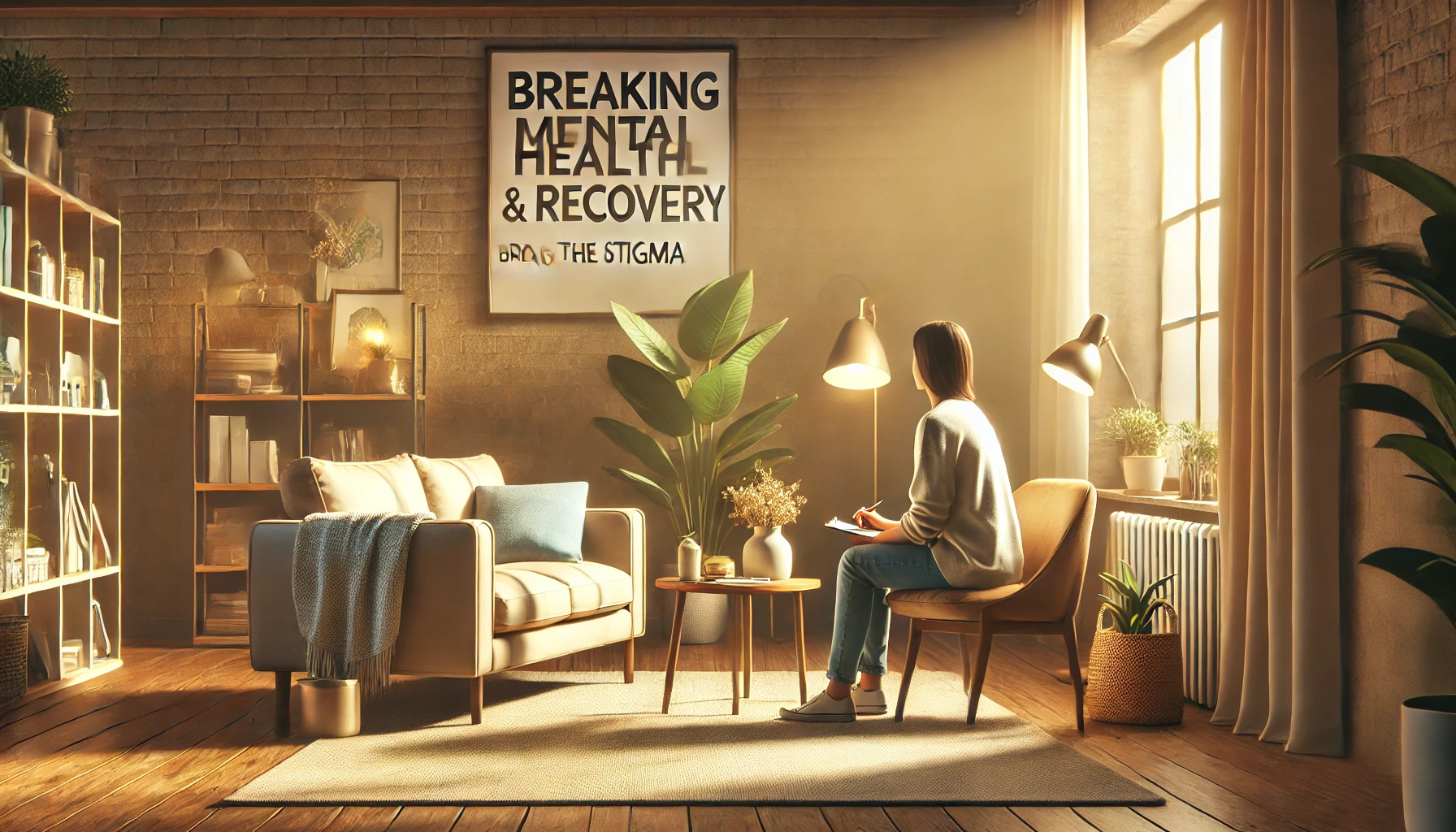
Mental Health Support at Belaku

Conclusion

Breaking the stigma is the first step to healing. Belaku’s integrated approach helps you feel heard and supported. Healing your mind is key to lasting recovery.

Contact Belaku today to start your recovery journey.

Key Takeaways

  • Addiction and mental health symptoms often intensify each other.
  • Stigma delays treatment, increases shame, and pushes people toward isolation.
  • Integrated dual-diagnosis care improves clarity, safety, and long-term outcomes.

Why mental health cannot be separated from addiction

For many, substance use is tied to anxiety, depression, or trauma. They use drugs or alcohol to cope with painful emotions.

If a program only focuses on stopping the substance and ignores these drivers, recovery will be fragile.

How stigma blocks recovery

Stigma makes people feel that addiction is a moral failure. This shame keeps families silent and delays treatment.

Recovery begins when we replace shame with care, education, and honest talks about mental health.

What integrated treatment changes

Dual-diagnosis care treats addiction and mental health at the same time. This is more effective than trying to treat them separately.

  • Psychiatric support to stabilize mood safely
  • Therapy for anxiety and negative thoughts
  • Relapse plans that cover both cravings and mental health triggers

Related Programs

Care options connected to this topic

View all services
Pawan Keshav
Written By

Pawan Keshav

Founder & Rehabilitation Specialist

Dedicated to setting compassionate, high standards of care at Belaku.

Dr. Joash Jayaraj
Medically Reviewed By

Dr. Joash Jayaraj

Consultant Psychiatrist | KMC Reg No: 88421

MBBS, MD (Psychiatry), DPM, CCH (UK), SCCBH (UK). Certified Clinical Hypnotherapist.

Back to Journal

Continue Reading

Related articles from our journal

Browse all posts

Filed under

Recovery Center

FAQs

Common questions about this topic

What is dual diagnosis in addiction treatment?

Dual diagnosis means a person is experiencing both a substance use disorder and a mental health condition such as depression, anxiety, trauma-related symptoms, or bipolar disorder. Effective treatment addresses both at the same time.

Can mental health symptoms improve after stopping substances?

Some symptoms may ease after detox and stabilization, but not all. That is why careful psychiatric assessment is important instead of assuming every emotional symptom will disappear on its own.

Next Step

Treat the substance use and the emotional burden together

Our dual-diagnosis approach helps patients work on addiction and mental health in one coordinated treatment plan.

Medical Disclaimer

The information provided on this page and across our website is for educational and informational purposes only. It is not a substitute for professional medical advice, diagnosis, or treatment. Always seek the advice of your physician or other qualified healthcare providers with any questions you may have regarding a medical or psychiatric condition. Never disregard professional medical advice or delay in seeking it because of something you have read on this website. If you are experiencing a medical emergency, please call your local emergency services or contact a medical professional immediately.