The Illusion of Alcohol as an Anxiety Cure
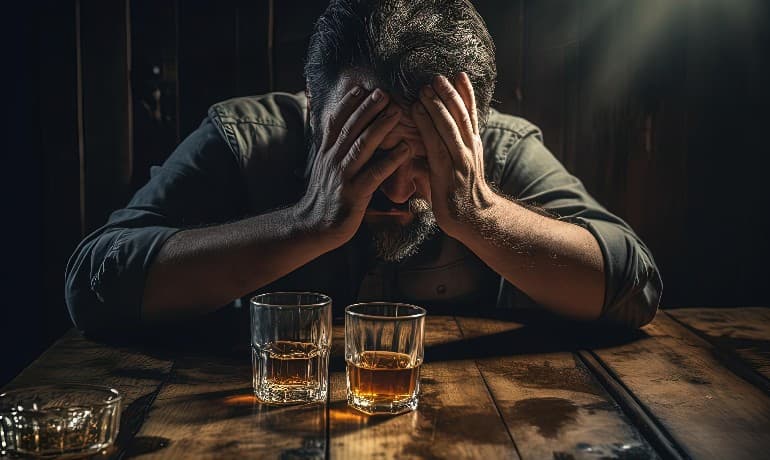
It starts as a simple way to wind down. After a stressful day, a glass of wine or a pint of beer seems to melt the anxiety away. Physically, this makes sense: alcohol is a central nervous system depressant that temporarily mimics GABA, a chemical in the brain that makes you feel calm.
However, the relief is short-lived. As the alcohol clears your system, your brain goes into hyper-drive to compensate. This chemical rebound causes what many call "hangxiety"—an intense spike in physical and mental anxiety that is often worse than the original stress.
The Physiology of Hangxiety
When you drink, your brain stops producing its own natural calming chemicals because the alcohol is doing the work. Once the alcohol wears off:
- Glutamate Surge: Your brain releases excess glutamate, an excitatory chemical, which makes you feel jittery, nervous, and unable to sleep.
- Cortisol Release: Alcohol triggers the release of stress hormones, causing your heart rate to increase and your body to enter a mild "fight-or-flight" state.
- Receptor Downregulation: Over time, the brain becomes less sensitive to its own GABA, making you feel naturally more anxious even when sober.
"Drinking to relieve anxiety is like taking out a high-interest loan. You get immediate cash, but the interest payments eventually bankrupt you."
Breaking the Anxiety-Alcohol Loop
Breaking free from this loop requires a specialized approach that addresses both the physical habit and the underlying neurological changes. At Belaku, our dual diagnosis program combines medical detox with cognitive therapy to help patients rebuild natural stress resilience:
- Mindfulness-Based Stress Reduction: Yoga and guided meditation train the nervous system to calm down naturally without chemical aid.
- Cognitive Behavioral Therapy (CBT): Patients learn to identify thought distortions that trigger anxiety, replacing the urge to drink with healthy coping mechanisms.
- Nutritional Support: Rebalancing the gut-brain axis with healthy nutrition helps restore neurotransmitters that regulate mood and calm.
You don't have to live in a constant state of worry or rely on a bottle for peace. Reclaiming control over your mind and body is possible.