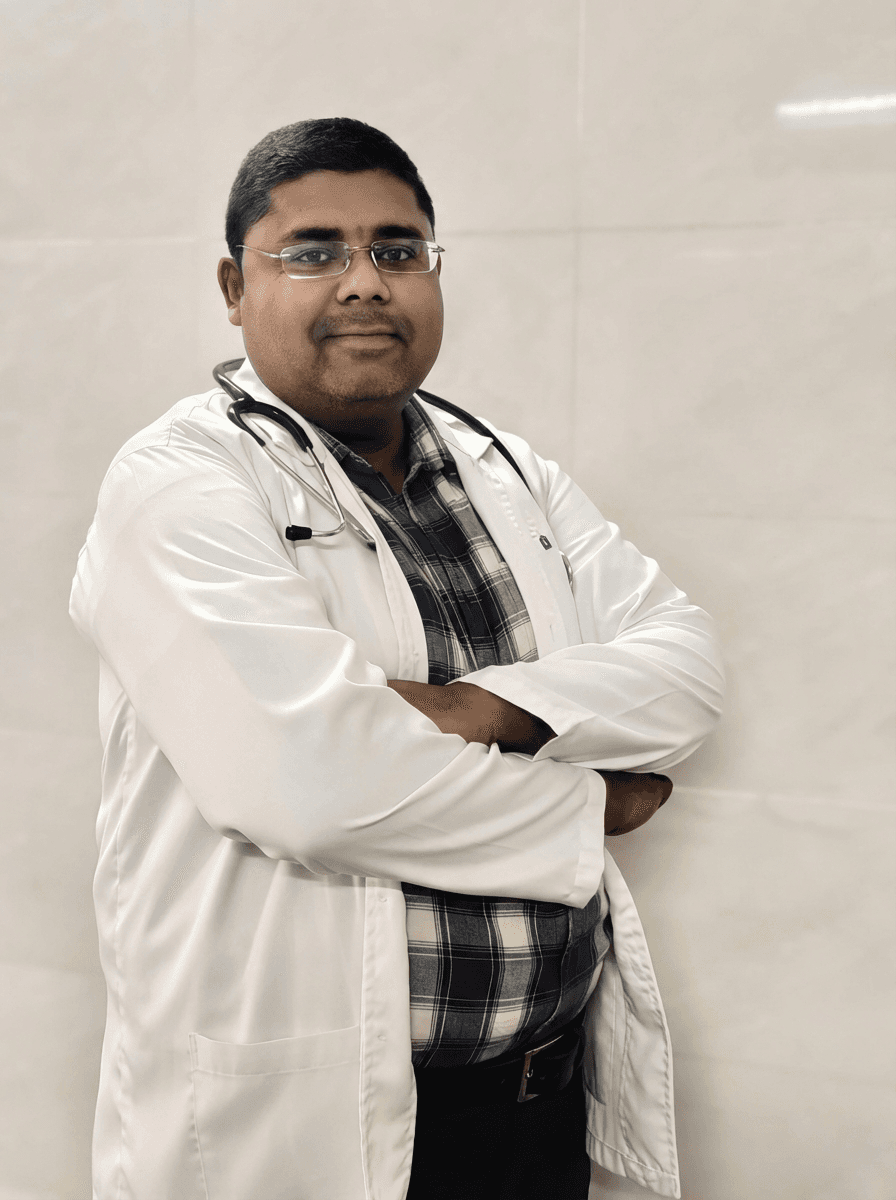
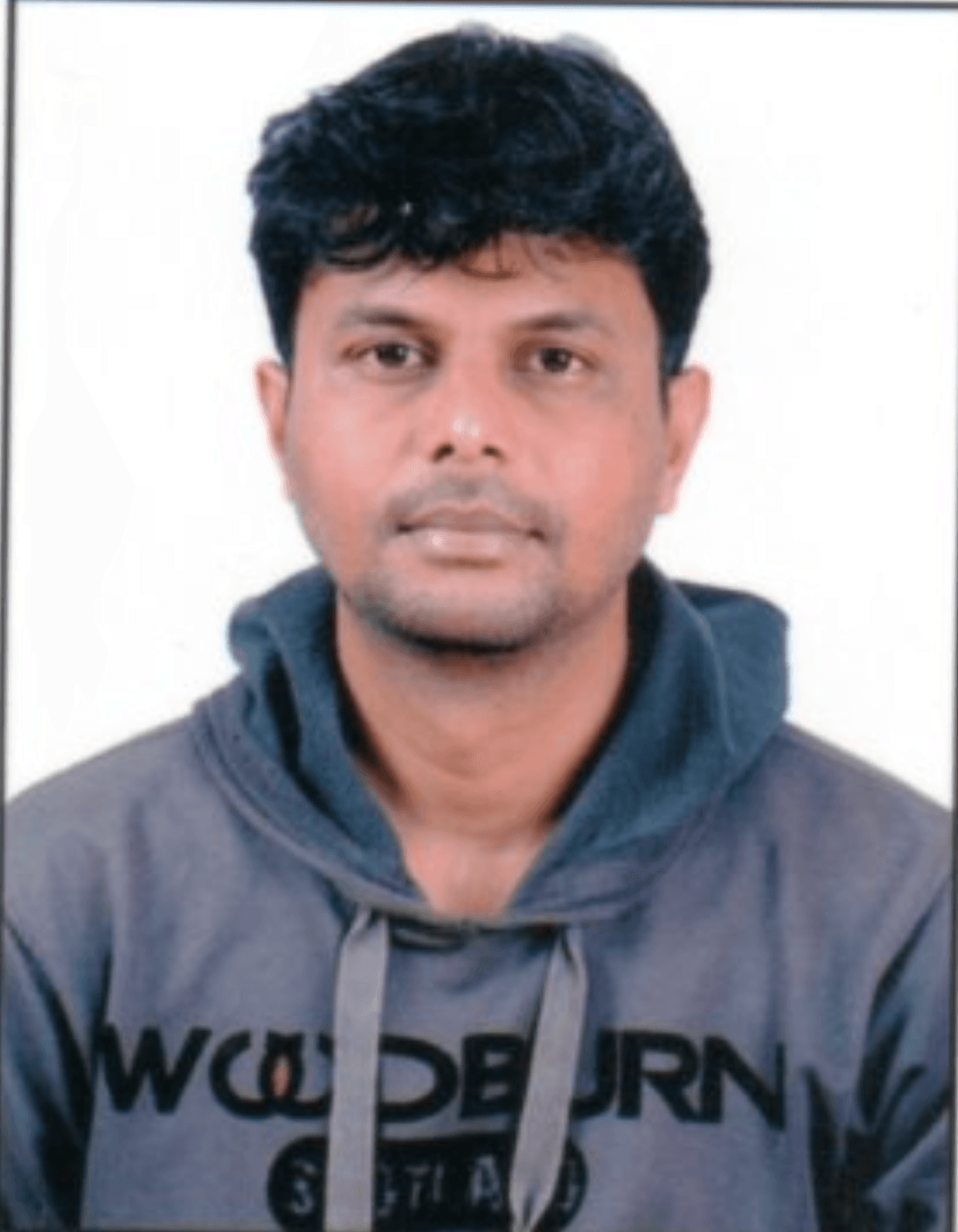
Srinivas
Psychologist
Professional Credentials
Experience
8+ Years in Mental Health
Affiliation
Belaku Rehabilitation Centre
Bengaluru, Karnataka, India
Practices in compliance with the Mental Healthcare Act (MHCA), 2017 standards and clinical excellence protocols.
About Srinivas
Srinivas is the Lead Clinical Psychologist at Belaku Rehabilitation Centre, specializing in cognitive and emotional restoration. Because substance dependence is often rooted in unresolved trauma, chronic stress, or grief, he conducts comprehensive psychological assessments to identify the specific behavioral patterns driving each resident's addiction. Employing evidence-based frameworks such as Cognitive Behavioral Therapy (CBT) and Dialectical Behavior Therapy (DBT), Srinivas guides patients through structured psychological rehabilitation. His clinical focus is not merely on analyzing past trauma, but on equipping individuals with practical cognitive tools to interrupt negative thought cycles in real-time. This pragmatic approach ensures that patients leave the facility with a robust, actionable relapse prevention plan. In addition to individual counseling, Srinivas facilitates targeted group therapy sessions designed to build peer accountability and community support. By prioritizing psychological safety and medical rigor, he ensures that the emotional aspects of addiction are treated with the same clinical precision as physical detoxification, fostering sustained, long-term sobriety.
Areas of Clinical Expertise
Professional Insights & Therapeutic Approach
What is your guiding philosophy when working with residents at Belaku?
"At Belaku, my approach is centered around empathy, safety, and respect. I believe that recovery is not a one-size-fits-all model; every individual requires a unique balance of clinical support, emotional validation, and practical life-skills training. By addressing the root causes of dependency—such as co-occurring disorders, work burnout, or relational conflicts—we help residents rebuild their lives with clinical integrity and lasting dignity, in line with the standards of the Mental Healthcare Act, 2017."
How does a multidisciplinary team approach support long-term recovery outcomes?
"Healing from addiction is a holistic process that involves physical stabilization, cognitive restructuring, and social reintegration. By working closely in a team that includes psychiatrists, clinical psychologists, physical trainers, and nutritionists, we ensure that every aspect of the resident's health is monitored and optimized. This coordinated focus minimizes treatment gaps, builds physical stamina, rebalances neurochemistry, and prepares residents to transition back to their family and professional environments with stable coping strategies."